The idea behind the yearbook was not invented in one place
In Western popular culture, the yearbook has a familiar origin story.
We trace it back to the sixteenth-century German universities where students carried alba amicorum ("books of friends"), through nineteenth-century American colleges like Yale, down to the printed, leatherette-bound high school annuals of the twentieth century.
That lineage is real, but the story is incomplete. The idea of preserving a shared period of life, a group of companions, or a major transition in a physical object was never uniquely European.
Across cultures, people developed their own physical ways of commemorating relationships, gatherings, journeys, departures, and shared experiences.
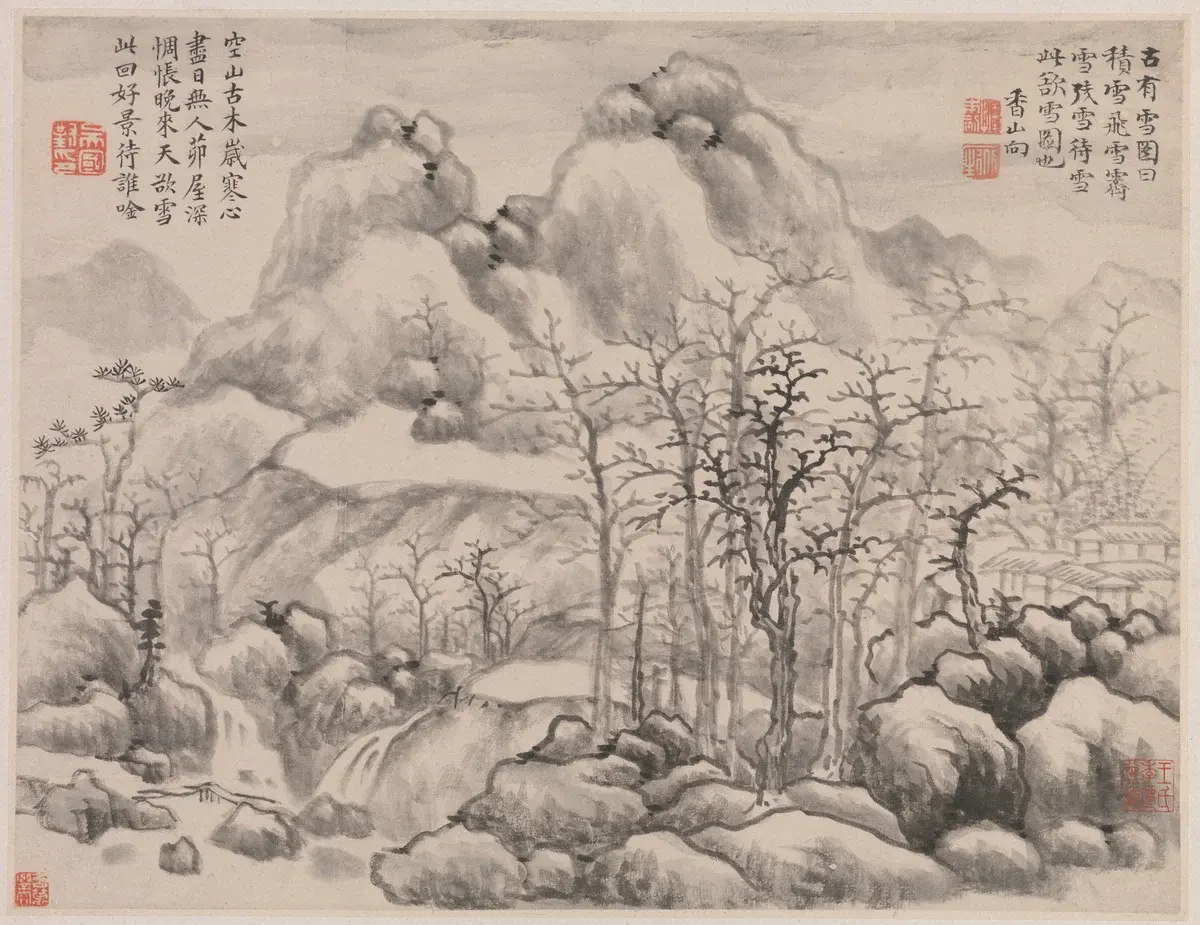
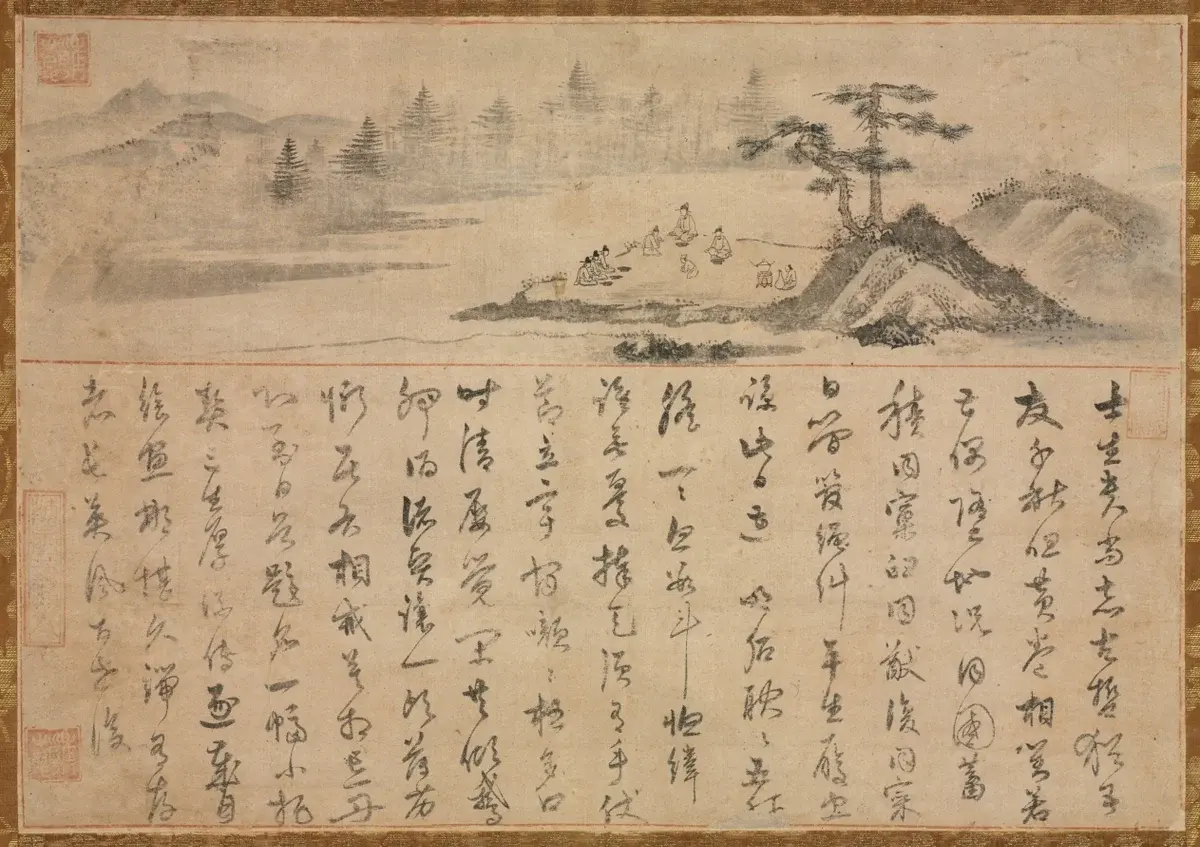
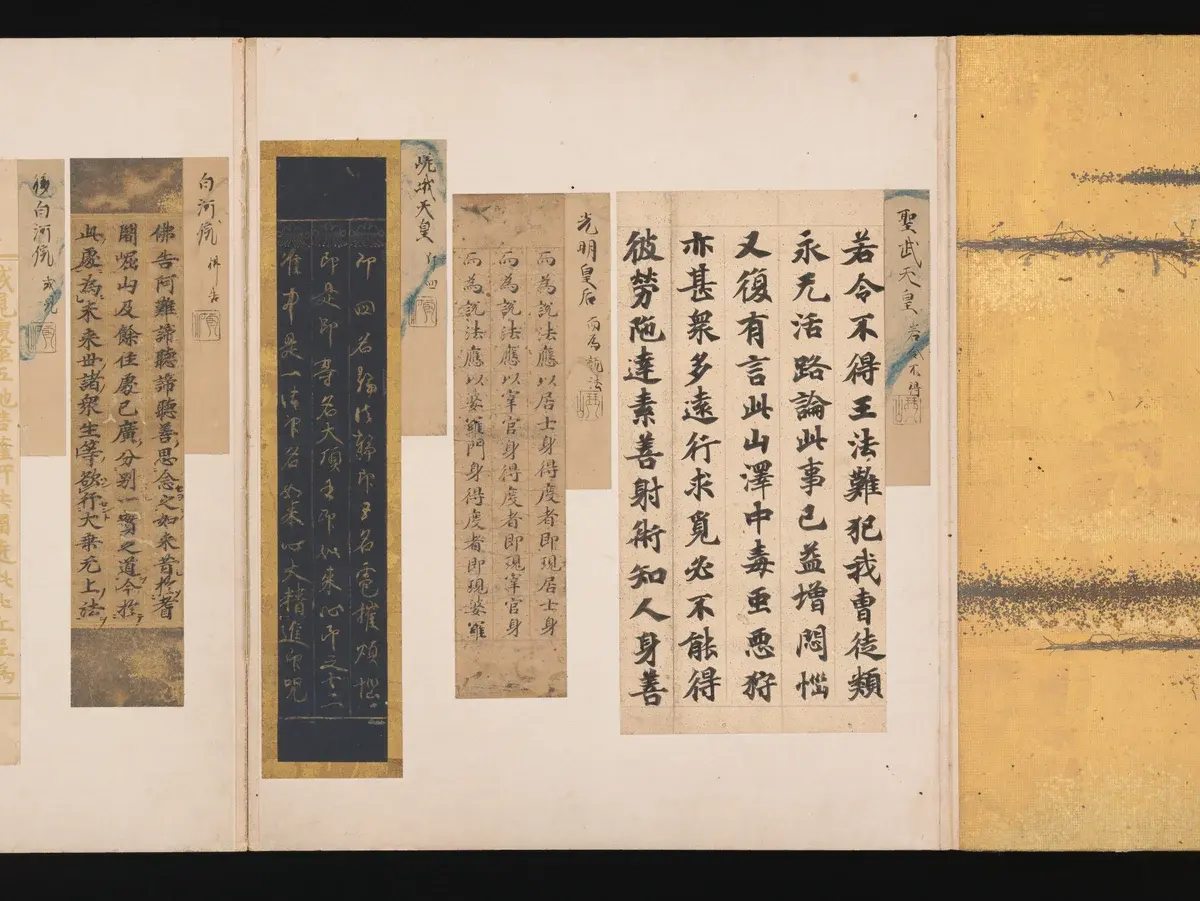
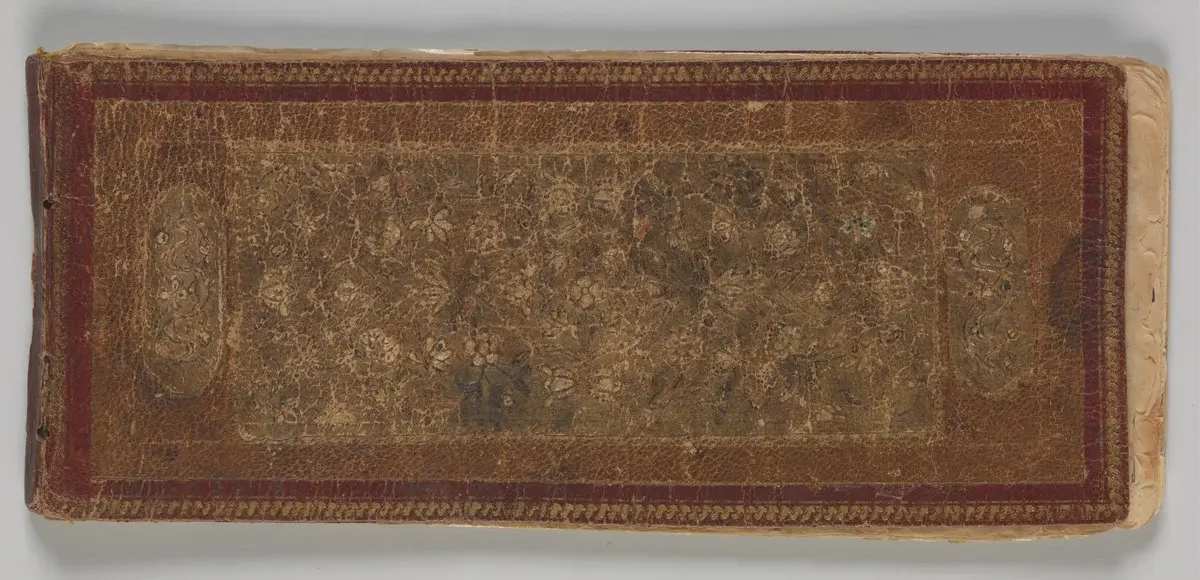
Centuries before American colleges printed class albums, scholar-officials in China were mounting collaborative scrolls of farewell poetry. In Joseon Korea, members of fellowship societies commissioned professional painters to create gathering albums, often producing multiple copies so each member took home an identical keepsake. In Japan, collaborative writing traditions known as yosegaki gathered multiple people's handwriting and verse on shared poetry boards. And across Persianate literary cultures, formats such as the safina and muraqqa brought together the poetry, calligraphy, and artwork of intellectual circles into portable albums.
The materials and formats differed: silk handscrolls, mulberry paper folding books, gilded poetry boards, and tooled leather codices. Across very different cultures, people repeatedly developed physical formats for preserving the words, images, identities, and relationships associated with important people and periods of life:
When people cross paths in life, share a meaningful period of time, and eventually part, there is a powerful human impulse to preserve some trace of that intersection.
The modern personal yearbook can be understood as part of that much older, richer family of traditions.